


French AOC wines turn 90: the 2026 vintage sees 75 appellations reach the symbolic milestone


ollowing the ninetieth anniversary of the 12 March 1935 draft bill (adopted on 30 July of the same year), which laid the foundations for the first modern-day appellations, and of the creation of the National Institute for Appellations of Origin (INAO), this year sees the next milestone in appellation history in France. In 1936, the legal decrees introducing the country’s first appellations were issued for a total 76 wine appellations (75 left today), 25 of them in Bordeaux, 22 in Burgundy and 9 in the Loire Valley. They also included the first six recognised by decree on 15 May 1936 for Arbois wines, Cassis, Châteauneuf-du-Pape, Monbazillac and Tavel alongside Cognac brandies.
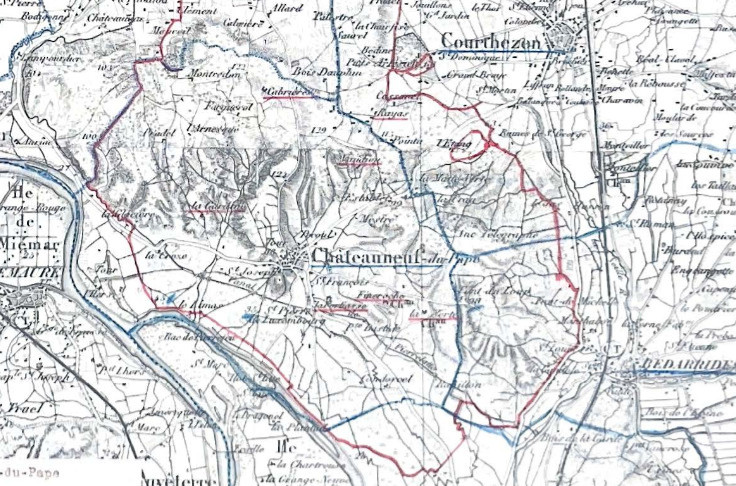
This collective project was devised and brought to fruition by Rhone winegrower, Baron Pierre Le Roy de Boiseaumarié, and by Bordeaux senator Joseph Capus. In a letter dated 18 January 1936 held in INAO archives, Boiseaumarié as chairman of the Côtes-du-Rhône winegrowers’ organisation sent Capus as chairman of the National Committee for Appellations of Origin (CNAO), the map showing the boundaries of AOC Châteauneuf-du-Pape pursuant to demarcation proceedings by the court of Vaucluse. Côtes du Rhône archives specify that after the “appellation wine charter” had been established in 1935, the following year, “production conditions for appellation wines and brandies had to be defined”. Subsequently, “production conditions for regulated brandies had to be defined, Superior Quality Wines (VDQS) had to be determined, inspections had to be intensified with a varietal fact sheet, new plantings had to be authorised and an overseas department or observation post for foreign usurpations of the names of our appellations had to be introduced”.





 Facebook
 Twitter
 LinkedIn