


Castel invests 10 million euros in alcohol-free wine and makes a case for glycerol and de-alcoholised appellations


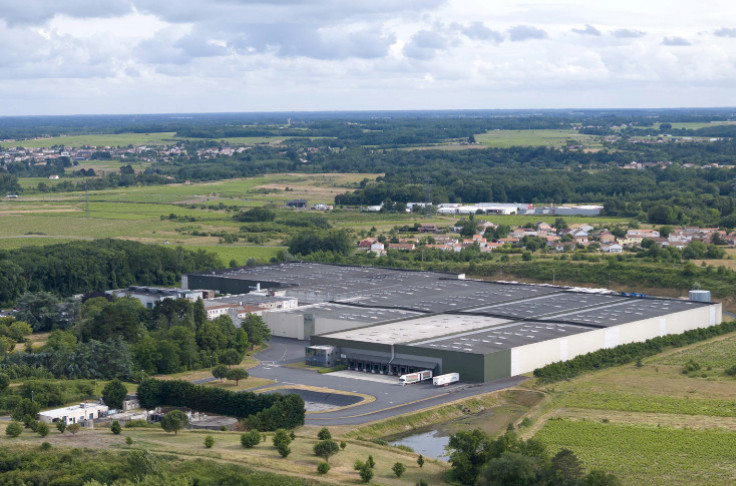
he outlook for the alcohol-free wine market has prompted French powerhouse Castel Vins to venture into the category. In a statement, the family-owned group announced it was opening “a complete, new-generation de-alcoholisation unit, featuring vacuum distillation equipment” for an investment of 10 million euros at its La Chapelle Heulin site. The substantial industrial facilities mark a clear strategic focus for Castel.
Castel’s massive involvement is further proof of the appeal of the alcohol-free and low-alcohol wine market. The company intends to set itself apart from existing products by offering “a level of de-alcoholisation quality not seen in Europe” with an “innovative, high-end system” of alcohol evaporation which guarantees “balanced de-alcoholised wines where 100% of aroma is preserved without adding exogenous aromas”.
From a technical perspective, the facilities will use low-temperature vacuum distillation (30-40°C) “over a very short time frame (a few dozen seconds)”, with 100% of aromas recovered in the aqueous phase then reintroduced back into the wine. Castel is calling for new regulations to hone the profile of de-alcoholised wines, mainly by replacing sugar-based sweetening by adding glycerol. The group claims that another lever is to allow wines with geographical indications and appellations to be de-alcoholised, which “would genuinely be a benefit to the entire industry”.




 Facebook
 Twitter
 LinkedIn